FutureCrime Summit 2026 opens on 6 August at Bharat Mandapam, New Delhi, with the Indian Cyber Crime Coordination Centre (I4C) joining as Knowledge Partner for the first time. If a cyber cell is still running open-source intelligence work off manual searches and a handful of bookmarked sites, that gathering is a useful prompt to check the math: complaint volumes, cross-border money trails, and the sheer number of languages a single case can touch are not shrinking, and neither is the number of sources an investigator now has to check before a lead goes cold.
An OSINT intelligence platform is more than a convenience layer on top of Google. It is what lets a cyber cell treat open, deep, and dark web data as one searchable, correlated body of evidence rather than a hundred separate browser tabs, each requiring its own manual login, search, and cross-check. Agencies that already run structured investigative workflows, backed by documented authorization, chain of custody, and source verification, get the most out of that shift, because the platform accelerates a process that was already disciplined rather than papering over one that was not.
Here is the part that gets missed in most coverage of this topic. OSINT for policing is not only a search-speed problem for the cyber cell to solve with better bookmarks. A meaningful part of it is whether the intelligence produced would actually survive a defence lawyer's cross-examination: is the source documented, is the finding corroborated, does the record satisfy what the Bharatiya Sakshya Adhiniyam, 2023 requires before a court will look at it. That is an evidentiary problem as much as an investigative one. Treat it as either one on its own and the case built on it does not hold.
This guide walks through what an OSINT intelligence platform actually does, why the scale of Indian cybercrime has made one close to mandatory, how source coverage maps to real investigative needs, what happens when OSINT is done carelessly, and a readiness playbook a cyber cell or state police unit can start on this quarter. It is written for the people who have to make it work day to day: investigating officers, cyber cell heads, and the compliance and legal teams sitting between them.
Talk to Our Security Experts →
What an OSINT Intelligence Platform Actually Is
Open-source intelligence, OSINT, is information gathered from sources that are already publicly accessible: websites, social media, forums, public records, news archives, and, for investigative purposes, the parts of the deep and dark web reachable without a login or an exploit. None of that is hacking. The data is already visible to anyone who knows where to look; the actual work is finding it, connecting it, and verifying it fast enough for it to still matter.
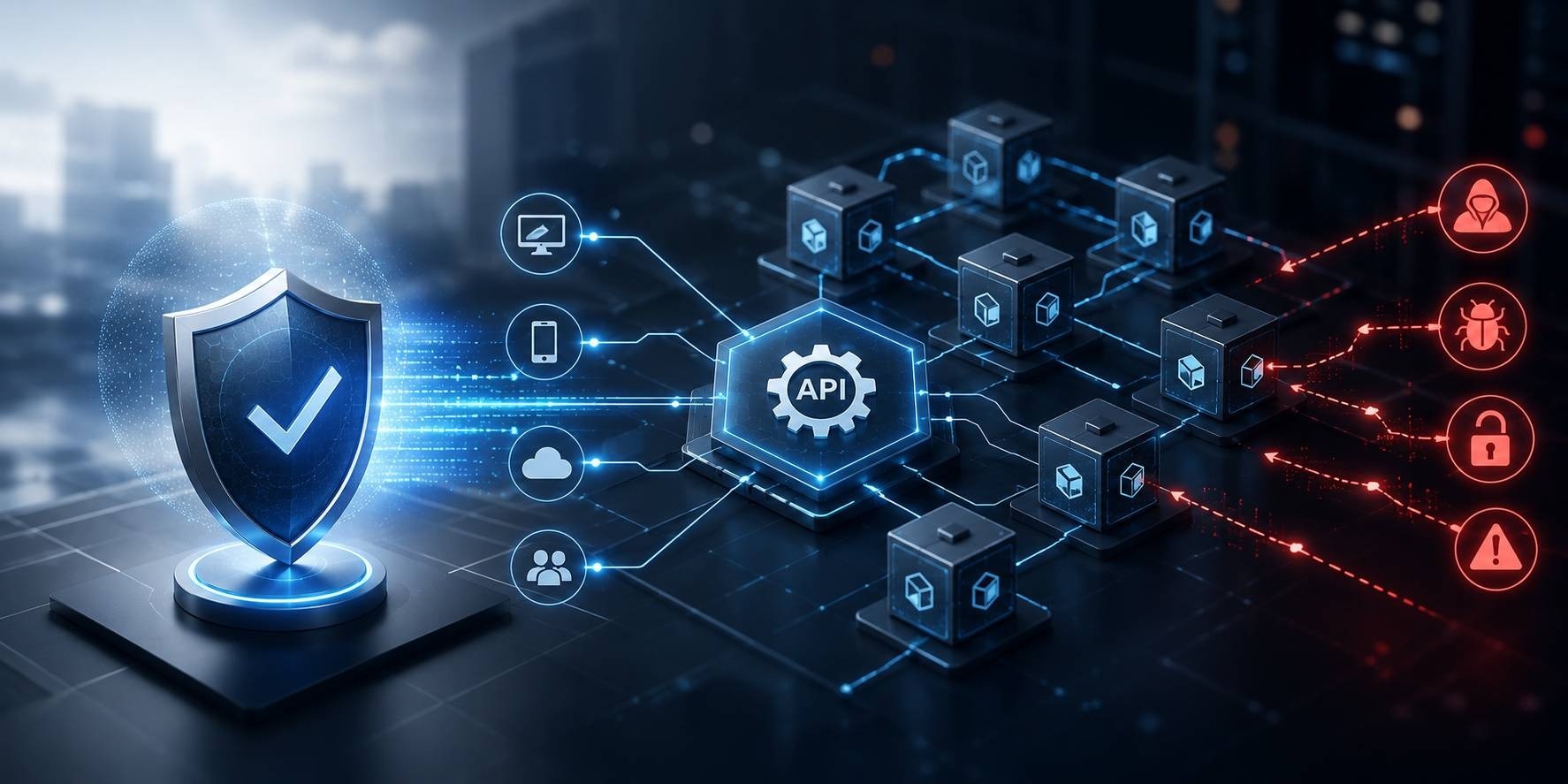
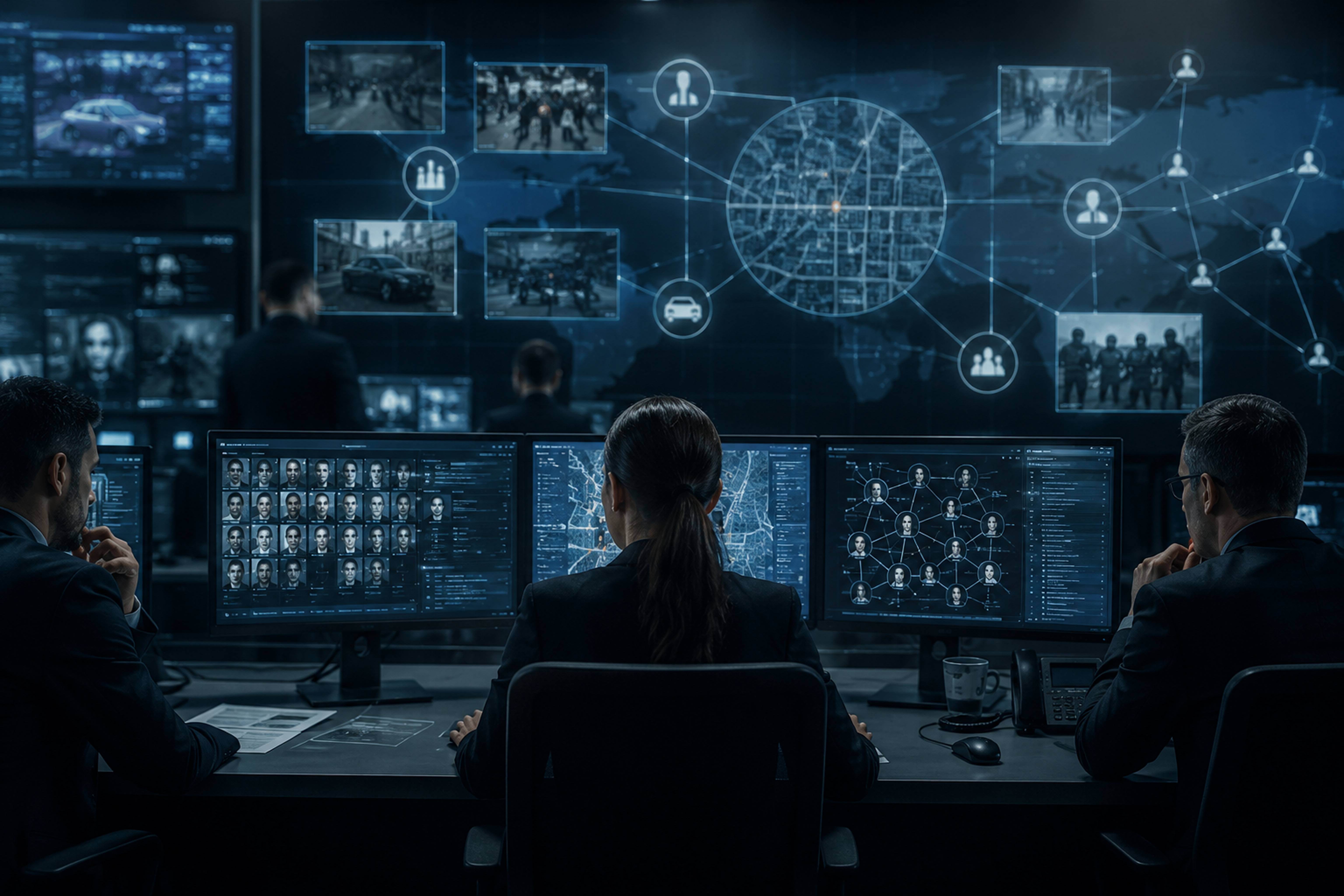
An OSINT intelligence platform for Indian law enforcement automates that work at a scale no analyst can match by hand. Instead of checking one social media profile, one forum, and one breach database in sequence, the platform queries hundreds of sources in parallel, normalizes what comes back into a common structure, and runs correlation on top of it: matching a phone number across two unrelated platforms, tying a wallet address to a ransom note, building a timeline out of scattered, unrelated posts.
WebMine, SecNinjaz's AI-powered OSINT platform, is built around that model. It draws from more than 250 sources spanning the open web and the dark web, runs real-time threat monitoring so new activity surfaces as it happens, applies AI-driven investigation tools for entity matching and cross-referencing, and supports 41+ languages so a search does not stall on a regional script an investigator cannot personally read.
Why the Scale of the Problem Has Made This Close to Mandatory
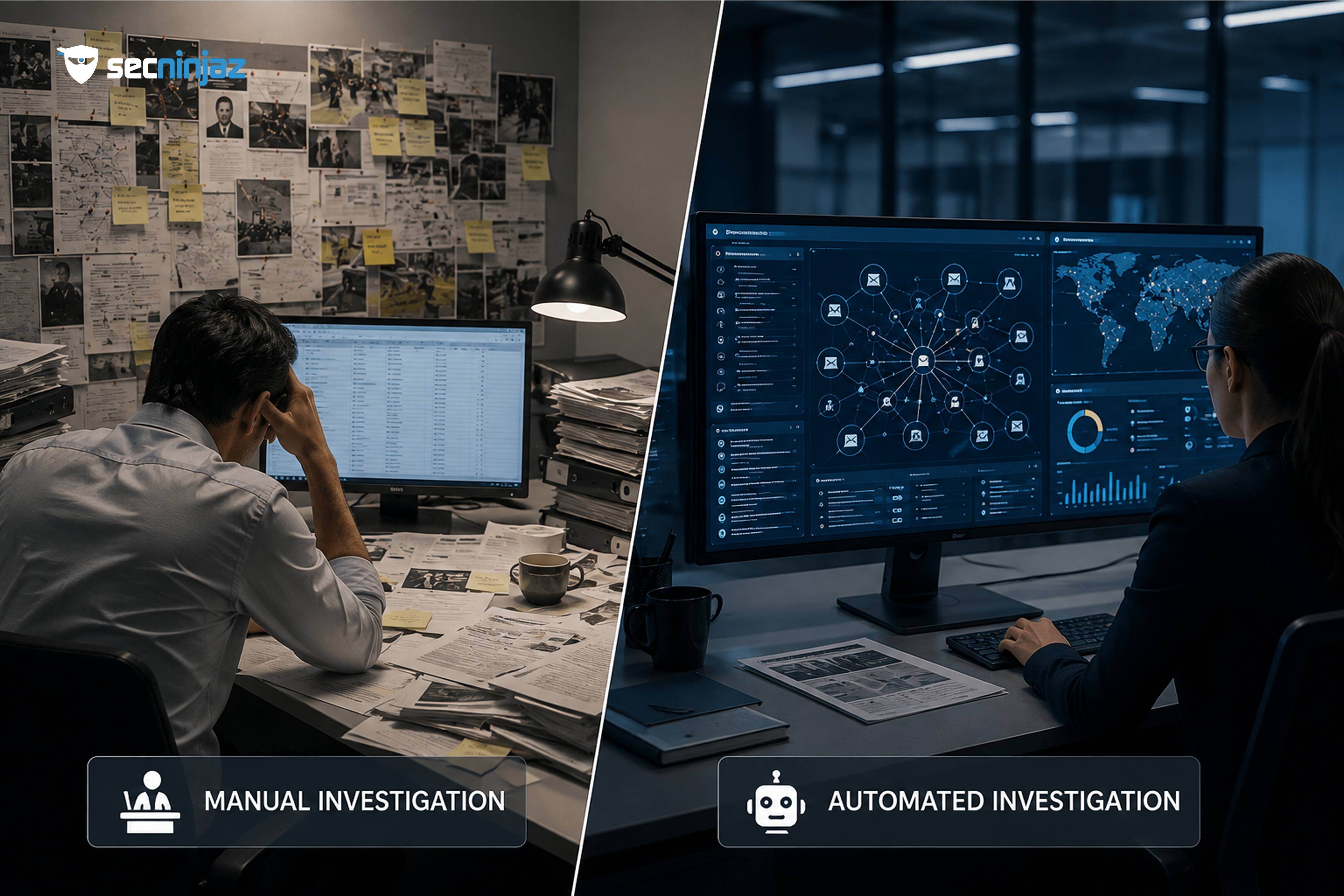 Scale is the reason this stopped being optional. I4C runs a dedicated National Cybercrime Threat Analytics Unit and a forensic laboratory network specifically because individual state cyber cells outgrew what they could absorb on their own. In February 2026, Union Home Minister Amit Shah inaugurated a new Cybercrime Branch inside the CBI to handle cases where the fraud, the money trail, and the suspects sit across different states or countries at once. I4C's own recruitment drives earlier in 2026, for roles spanning cyber threat intelligence, digital forensics, and OSINT specifically, are a reasonable proxy for how much this capability gap has widened at the institutional level.
Financial fraud has industrialized faster than manual investigation can keep pace with. Mule accounts move money through dozens of intermediaries within hours of a transfer landing. Deepfake audio and video now show up often enough in impersonation scams that recorded evidence cannot be taken at face value without independent verification first. Organized groups running narcotics or arms sales increasingly operate through dark web marketplaces invisible to a standard search engine, by design, unless someone already knows exactly where to look.
Other countries face the same categories of crime. What sets India apart is the number of languages a single case can touch before it closes. A platform limited to English-language sources, or to the open web alone, misses a large share of what is actually happening on the ground, where one investigation can cross Hindi, Bengali, Tamil, Marathi, and other regional languages in the course of a single file.
A Rough Timeline of How the Institutional Response Has Moved
| Period | What changed |
|---|---|
| Ongoing | I4C's National Cybercrime Reporting Portal (cybercrime.gov.in) centralizes complaint intake and routes cases to the relevant state or Union Territory. |
| February 2026 | The CBI's new Cybercrime Branch is inaugurated, targeted at cases that cross state or national lines. |
| May 2026 | I4C opens 195 technical vacancies spanning cyber threat intelligence, digital forensics, OSINT, and crypto analysis, mostly based in Delhi. |
| August 2026 | FutureCrime Summit 2026 runs 6 to 7 August at Bharat Mandapam, with I4C as Knowledge Partner for the first time, reflecting a stronger institutional push on coordinated investigation and training. |
The Source Tiers Behind an OSINT Platform
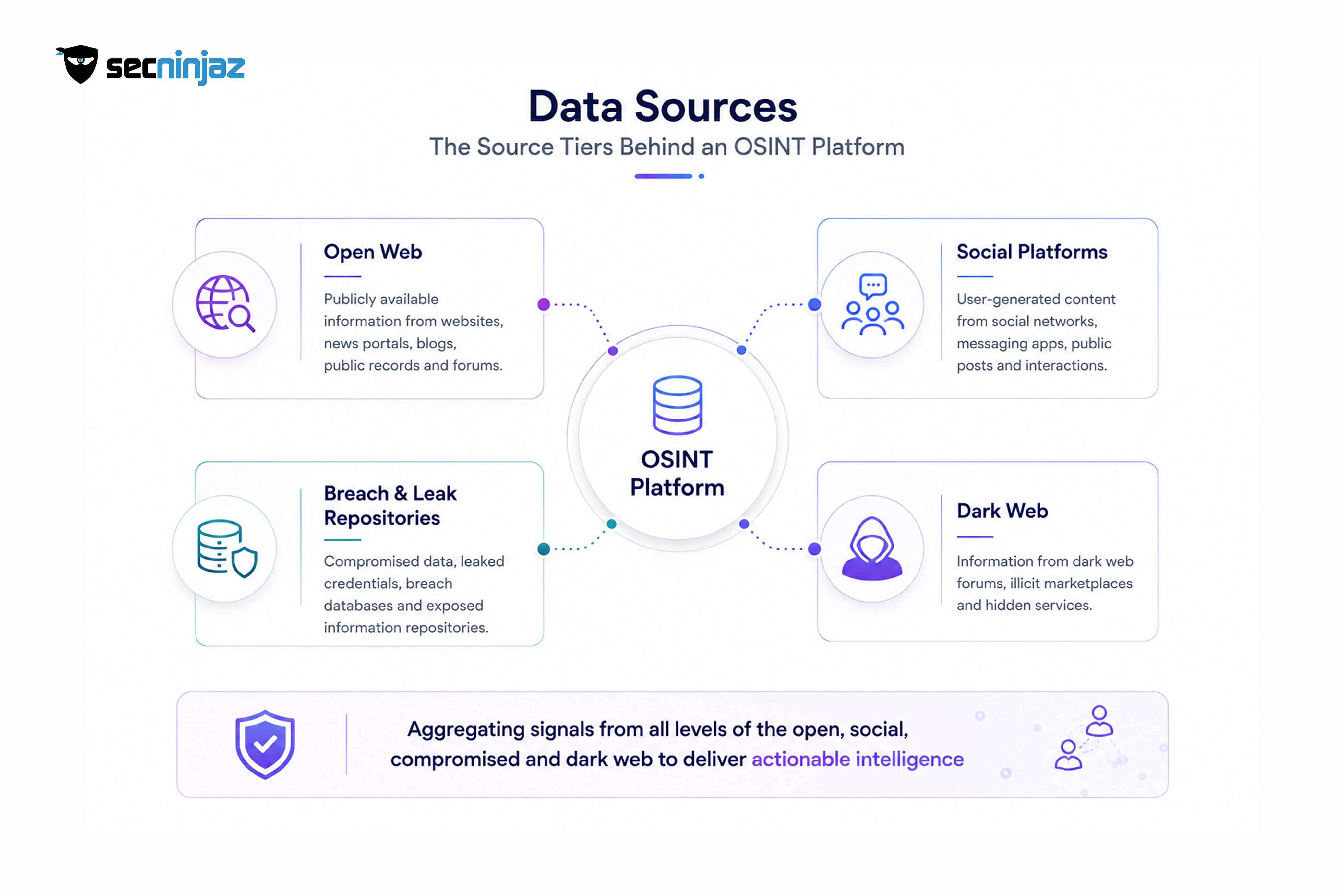 Not every source an OSINT platform touches carries the same legal weight or the same investigative value. It helps to think about coverage in tiers, because the right posture toward each one is different.
| Source tier | What it covers | What it typically supports |
|---|---|---|
| Open web | News, public records, corporate registries, forums, indexed pages | Background checks, entity verification, corroborating a claim |
| Social platforms | Public profiles, posts, groups, messaging metadata visible without a login barrier | Timeline building, network mapping, locating an alias |
| Breach and leak repositories | Previously exposed datasets, credential dumps, leaked records | Identifying compromised accounts, linking victims across cases |
| Dark web | Tor-based marketplaces, forums, and listings reachable without exploiting anything | Tracking organized crime, narcotics and arms sales, stolen-data trade |
WebMine's 250+ sources span all four tiers rather than stopping at the open web, which is the coverage gap that leaves most manual OSINT workflows blind to marketplace activity and leaked-data trails until well after the fact.
What a Platform Provides, and What the Investigating Officer Still Owns
A common assumption trips up agencies adopting any OSINT tool for the first time: that a capable platform closes the whole gap on its own. It does not. Coverage, correlation, and speed are the platform's job. Authorization, verification, and the legal record are the officer's.
| Responsibility | Platform (WebMine) | Investigating officer / agency |
|---|---|---|
| Source coverage across open, deep, and dark web | Yes | Relies on it |
| Real-time monitoring of an active case | Yes | Defines what to monitor |
| Entity matching and cross-referencing | Yes | Reviews and validates matches |
| Multi-language search (41+ languages) | Yes | Directs the query |
| Internal authorization before a search is run | No | Yes |
| Corroboration of a finding before it enters a case file | No | Yes |
| Chain-of-custody documentation | Provides source and timestamp data | Compiles and certifies it |
| BSA Section 63 certificate for electronic evidence | Supplies the underlying record | Signs off, with an expert where required |
An agency that treats the platform's output as automatically court-ready skips the second column of that table, and that is where cases run into trouble later.
Where Investigative Speed Meets Legal Boundaries
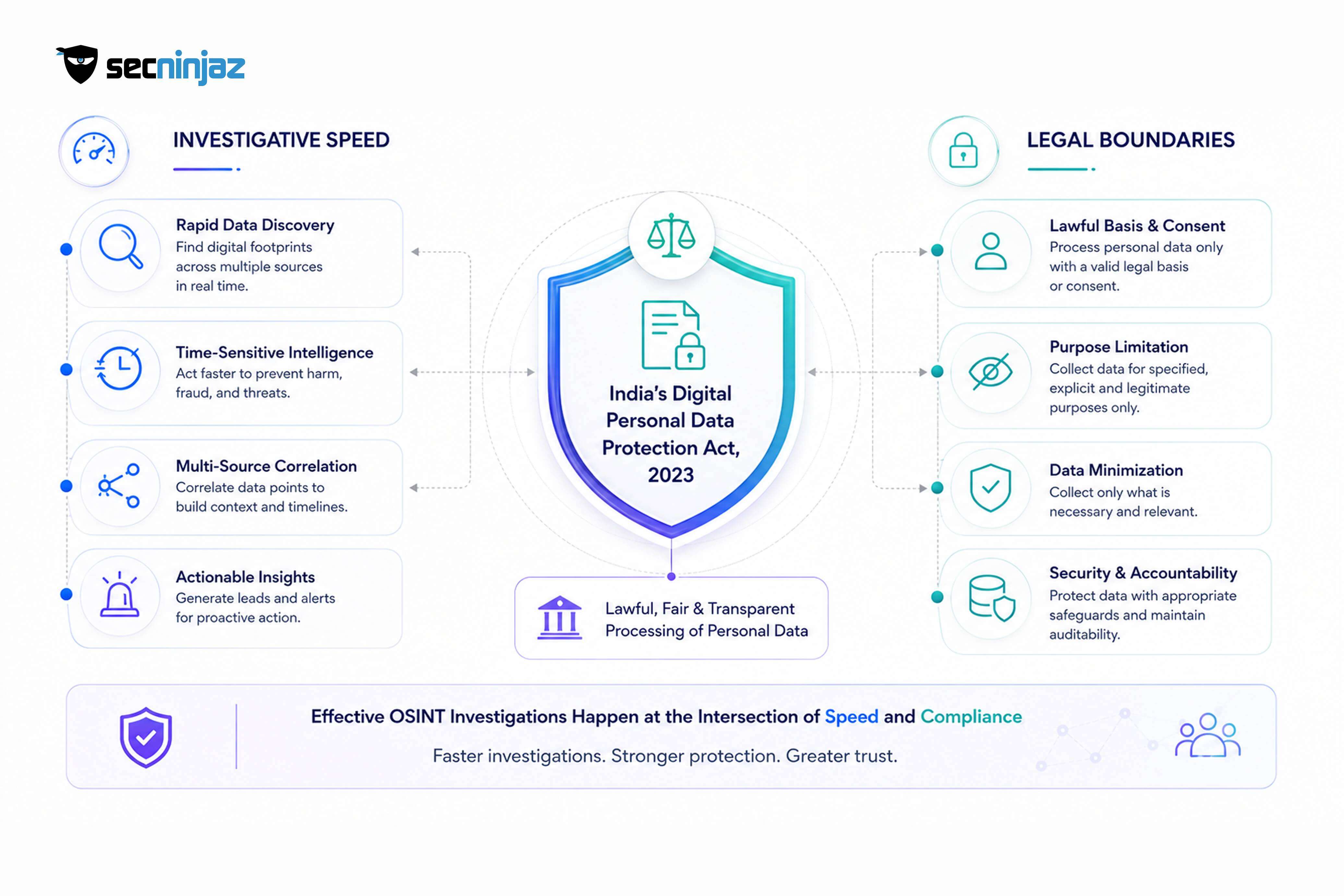 Faster search does not move the legal boundaries an investigation has to operate inside, and this is the section that gets thinnest treatment in most vendor material on this topic.
India's Digital Personal Data Protection Act, 2023 carves out a specific exemption under Section 17(1)(c): processing personal data for the prevention, detection, investigation, or prosecution of an offence is exempt from several of the consent obligations that apply to ordinary commercial data processing. That exemption exists because investigative work depends on gathering information about people without asking their permission first. It is not, however, a blanket authorization to gather anything by any means. It exempts the consent requirement; it does not touch the separate question of whether the access method itself was lawful.
That second question sits with the Information Technology Act, 2000. Section 43 creates civil liability for unauthorized access to a computer system, and Section 66 turns the same act into a criminal offence, punishable with imprisonment up to three years, a fine up to ₹5 lakh, or both, where it is done with dishonest or fraudulent intent. The boundary that matters for OSINT is straightforward in principle and easy to blur in practice: information that is genuinely public, visible without a login, an exploit, or bypassing any access control, sits outside that boundary. Information behind a login wall, or reached by exploiting a vulnerability, does not, no matter how useful it would be to the case.
The third layer is evidentiary. Since July 2024, the Bharatiya Sakshya Adhiniyam, 2023 governs the admissibility of electronic records under Section 63, replacing the old Evidence Act framework built around Section 65B. The core requirement carries over: an electronic record needs a certificate identifying how it was produced and confirming the reliability of the system that produced it, and the BSA adds a dual-signature requirement, one from the person in charge of the device or system, and one from an expert. A structured, source-attributed, timestamped finding from an OSINT platform is built to support exactly that certification chain. A screenshot pasted into a case diary without any of that context is not.
What Getting OSINT Wrong Actually Costs
There is no single fine schedule for a botched OSINT search the way there is for a data protection breach, but the consequences are real and they land on the case, not just on a compliance report.
| Failure point | Consequence |
|---|---|
| Search extends into unauthorized or exploited access | Exposure to IT Act Section 66 liability: up to 3 years imprisonment, a fine up to ₹5 lakh, or both |
| No certificate or expert sign-off under BSA Section 63 | Electronic evidence risks exclusion at trial regardless of how strong the underlying finding was |
| Single, uncorroborated OSINT hit treated as fact | Case built on a lead that collapses under cross-examination, sometimes taking a genuine finding down with it |
| No documented authorization for the search | Internal disciplinary exposure and a harder time defending the investigation's integrity later |
| Dark web listing taken at face value | Wasted investigative resources chasing a fake listing, a honeypot, or rival-gang disinformation |
None of these are hypothetical risks specific to any one platform. They are what happens when speed is treated as a substitute for procedure rather than an addition to it.
An OSINT Maturity Model for a Cyber Cell
Most units land somewhere on a five-step curve, and it is worth knowing where a given unit actually sits before investing further.
Level 1: Manual, ad hoc searches with no documented process ↓ Level 2: Written SOPs for what can be searched and who authorizes it ↓ Level 3: Platform-assisted investigation replacing one-source-at-a-time manual checks ↓ Level 4: Structured, evidentiary workflow with BSA-compliant certification built in ↓ Level 5: Continuous, cross-case intelligence monitoring rather than one-off sweeps
Skipping straight to a platform without Level 2's authorization discipline in place is the single most common way an OSINT rollout underdelivers on its promise.
A Readiness Playbook for Adopting an OSINT Platform
- Map current OSINT use across the unit. Most cyber cells underestimate how much informal, undocumented open-source checking is already happening on personal devices and ad hoc searches. List it before trying to formalize it.
- Write the authorization SOP first. Decide who can request an OSINT search, on what basis, and what gets logged before the platform rollout, not after. This is Level 2 of the maturity model and it has to come before Level 3.
- Match source tiers to the case types the unit actually handles. A unit working financial fraud needs different source depth than one working missing-persons cases; scope the platform's use accordingly rather than running every search against every tier by default.
- Build the corroboration standard into the workflow. Decide, in writing, what counts as sufficient independent corroboration before a finding moves from lead to case file, and hold to it even when the platform's confidence score looks high.
- Train analysts on the BSA Section 63 certificate requirement. The dual-signature format is new enough that many investigators have not worked with it yet. Build it into training before it becomes a courtroom surprise.
- Set role-based access and logging from day one. Every search should be attributable to a specific officer, a specific case, and a specific authorization. This protects the investigation and the individual investigator equally.
- Run continuous monitoring only where the case is genuinely active. Real-time monitoring is a strength for a live fraud ring or an ongoing trafficking investigation. It is unnecessary overhead for a closed or low-priority matter.
- Review and reclassify periodically. A case that started as a low-priority complaint can escalate into something requiring dark web monitoring within weeks. Revisit the source-tier scope as the case develops rather than locking it in at intake.
Common Mistakes and Edge Cases
Treating platform output as automatically admissible. A structured finding is a strong start toward BSA Section 63 compliance. It is not a substitute for the certificate and, where required, the expert's signature.
Confusing "public" with "anything technically reachable." A forum post is public. A database exposed by a misconfigured server and reached by probing for it is a different category entirely, and the IT Act treats it that way.
Skipping corroboration because the confidence score is high. An AI-driven correlation is a strong lead generator, not an independent witness. A single automated match is still one source.
Missing the language gap on purpose or by oversight. A case involving a regional-language forum that nobody on the team reads personally is exactly where a 41-language platform earns its coverage claim; skipping that layer because English-language sources looked sufficient is a common and avoidable gap.
Treating a dark web listing as verified fact. Marketplace listings are frequently exaggerated, staged, or planted by rival groups. Confirm before acting, not after.
Running continuous monitoring on every case regardless of priority. Real-time monitoring has genuine value for active, time-sensitive cases. Applying it uniformly wastes resources and buries analysts in noise on matters that do not need it.
Assuming the platform absorbs the authorization step. No tool removes the requirement for documented internal sign-off before a search touching personal data begins. That step belongs to the agency, not the software.
When to Use What: A Few Decision Points
Manual search versus platform-assisted investigation. For a single, low-complexity lead, a manual check may still be faster to set up. Once a case spans multiple platforms, languages, or an active dark web angle, the manual approach stops scaling and the platform becomes the faster path, not just the more thorough one.
One-time sweep versus continuous monitoring. A closed case or a completed background check needs a single pass. An active fraud ring still moving money, or an ongoing trafficking investigation, benefits from monitoring that keeps running rather than requiring a fresh manual search every few days.
In-house review versus specialist escalation. Routine entity verification and background checks sit comfortably with the case's own investigating officer. Dark web-heavy cases involving organized crime or cross-border elements often benefit from escalation to a specialist unit with deeper experience reading marketplace and forum context correctly.
Full source-tier search versus a narrower scope. Not every case justifies searching all four source tiers. Matching the tier to the offence, rather than defaulting to maximum coverage every time, keeps the workload proportionate and the documentation cleaner.
How SecNinjaz Fits Into This
The pattern running through this guide is that OSINT for policing sits on the seam between investigative speed and evidentiary discipline, and most tools cover only the first half. WebMine is built for coverage and correlation: 250+ sources across the open and dark web, real-time monitoring, AI-driven investigation tools, and support for 41+ languages, aimed squarely at the volume and language spread Indian cyber cells deal with.
The evidentiary half is where SecNinjaz's broader GRC and DPDP practice connects back in. Regulatory Compliance, Risk Management, and Audit and Gap Assessment work covers the authorization, documentation, and process side that keeps an OSINT programme defensible, not just fast. SecNinjaz holds ISO/IEC 27701:2025 for privacy information management and ISO/IEC 27001:2022 for information security, the two certifications most relevant to handling the kind of sensitive data an OSINT programme necessarily touches. For state cyber cells, government agencies, and enterprises building out an OSINT capability they cannot afford to have thrown out at trial, that combination of source coverage and process discipline is the pairing worth looking for, whether the agency works with SecNinjaz or anyone else.
Talk to Our Security Experts →
Frequently Asked Questions
Is it legal for Indian police to use OSINT tools?
Yes, provided the information comes from genuinely public sources and the search follows internal authorization procedures. Section 17(1)(c) of the DPDP Act, 2023 exempts personal data processing carried out for the prevention, detection, investigation, or prosecution of an offence from several of the Act's standard consent requirements. That exemption covers consent, not the separate question of whether the method of access itself was lawful under the IT Act.
What is the difference between OSINT and hacking?
OSINT relies entirely on information that is already publicly visible, such as social media posts, public records, or dark web listings that do not require a login or an exploit to view. Hacking involves unauthorized access to systems or data not meant to be publicly reachable, and falls under Sections 43 and 66 of the IT Act, 2000. The two are legally and technically distinct, and the line sits at whether an access control had to be bypassed.
How many sources does WebMine cover?
WebMine draws from more than 250 sources across the open web and the dark web, with support for 41+ languages and real-time threat monitoring, and applies AI-driven investigation tools for entity matching and cross-referencing across that source base.
Can OSINT findings be used as courtroom evidence in India?
They can, but only after independent corroboration and proper certification. Since July 2024, the Bharatiya Sakshya Adhiniyam, 2023 governs electronic evidence admissibility under Section 63, which requires a certificate describing how the record was produced and, in most cases, a dual signature from the person in charge of the system and an expert. A single, uncorroborated OSINT finding is treated as a lead, not evidence, until that process is complete.
Does an OSINT platform replace the need for a warrant?
No. OSINT only covers information that is already publicly accessible without bypassing a login, a paywall, or any other access control. Anything behind such a barrier requires the appropriate legal process, such as a warrant or a formal request to the platform holding the data, regardless of how useful an OSINT platform might make that data look from the outside.
Why does multi-language support matter for an Indian OSINT platform specifically?
A single Indian investigation can cross several regional languages and scripts before it closes, and a platform limited to English-language sources misses a large share of what is actually happening on the ground. WebMine's support for 41+ languages is built around that reality rather than treating it as an edge case.
What is the biggest mistake agencies make when adopting an OSINT platform?
Assuming the platform closes the entire gap on its own. Coverage, correlation, and monitoring speed are the platform's contribution. Authorization before a search, corroboration of any finding, and the certification required for a record to hold up in court remain the investigating officer's and the agency's responsibility throughout.
Where should a cyber cell start if it has no formal OSINT process yet?
Start by mapping how much informal OSINT checking is already happening off the books, then write the authorization SOP before rolling out any platform. That sequence, mapping current use and then formalizing authorization, matters more at the outset than which source tiers get switched on first.